
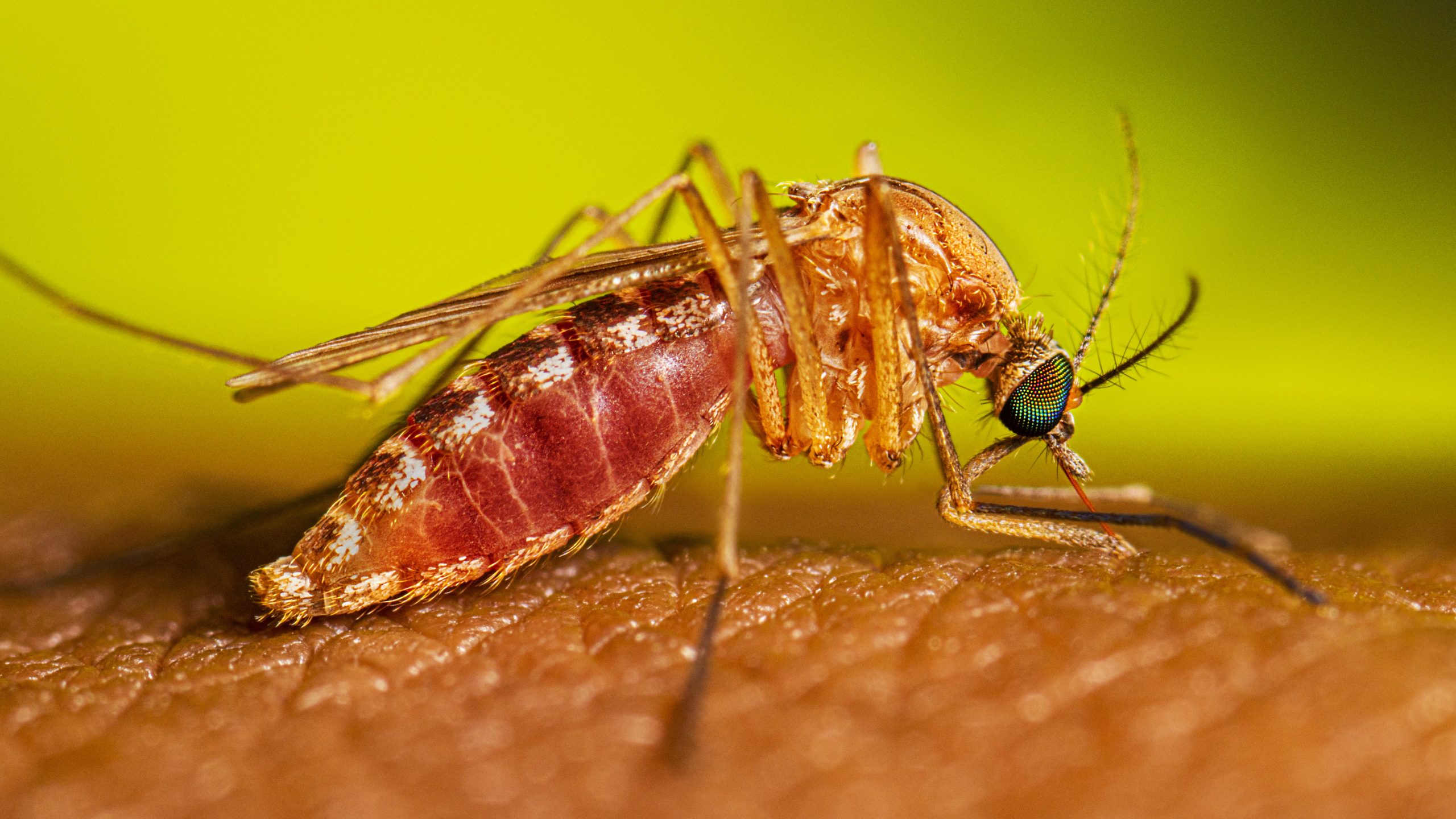
WILLIAMSON COUNTY, Texas — August 20, 2026 — Williamson County health officials have confirmed the county’s first human case of West Nile virus this year.
The Williamson County and Cities Health District said the patient is a resident in their 80s from southern Williamson County who was diagnosed Aug. 13 with West Nile neuroinvasive disease, the more serious form of infection involving the brain or nervous system.
The diagnosis comes after West Nile activity had already been detected in mosquitoes locally earlier this summer. Texas Department of State Health Services surveillance reports showed positive mosquito activity in Williamson County by June, and Cedar Park reported another positive mosquito sample from Buttercup Preserve on Aug. 10.
Health officials are urging residents to continue taking precautions against mosquito bites as the summer mosquito season continues.
What neuroinvasive disease means
Most people infected with West Nile virus never develop symptoms. The Centers for Disease Control and Prevention says about 20% develop a fever or other relatively mild symptoms, while less than 1% develop neuroinvasive disease.
Severe cases can include encephalitis, meningitis or acute flaccid paralysis. Symptoms can include high fever, neck stiffness, disorientation, tremors, muscle weakness, seizures or paralysis.
Risk of severe disease increases with age. CDC guidance identifies older adults as among the groups at greater risk of hospitalization and serious complications.
The Williamson County case is therefore significant not only because it is the county’s first reported human infection of 2026, but because it involves the more serious neuroinvasive form.
West Nile was already circulating locally
The human case did not arrive without earlier warning signs.
Texas DSHS arbovirus reports documented West Nile-positive mosquito pools in Williamson County earlier in the summer. State surveillance showed one positive mosquito report in the county by the week ending June 20 and three by the week ending June 27. Additional local detections have been reported since then.
A positive mosquito pool does not mean every mosquito in that area carries West Nile virus, and a countywide human case does not identify a specific neighborhood as the place where the infection occurred.
West Nile is primarily maintained in a cycle between birds and mosquitoes. People are most commonly infected when bitten by an infected mosquito; ordinary person-to-person contact does not spread the virus.
How residents can reduce exposure
Public-health agencies recommend several basic precautions:
- Use an EPA-registered insect repellent when outdoors.
- Wear long sleeves and pants when practical, particularly during periods of heavy mosquito activity.
- Drain standing water from buckets, flowerpots, gutters, birdbaths, toys and other containers where mosquitoes can breed.
- Keep window and door screens in good repair.
- Take extra precautions for older adults and others who may be at higher risk for severe illness.
Mosquito activity can vary substantially from one neighborhood to another depending on standing water, drainage, vegetation and local habitat.
Active West Nile season continues
West Nile activity typically increases during the warmer months when mosquito populations are most active. Texas DSHS tracks human illness along with positive mosquito pools, birds, horses and other surveillance indicators across the state.
CDC national totals can lag behind local and state reporting, so county and state health agencies may have more current information during an active mosquito season.
For Williamson County residents, the latest development is straightforward: West Nile is no longer being detected only through mosquito surveillance in 2026. A human case has now been confirmed.
That does not call for panic, but it does make mosquito prevention more than a routine summertime reminder — particularly for older residents and households with people at higher risk of severe disease.